There is a peaceful adventure in opening a fresh bag of beans that arrived right at your door. The aroma strikes first, after that the promise of tomorrow's mixture. However love apart, the mathematics matters. Registrations can save cash and ravel your routine, or they can secure you into paying store rates for beans you could have sourced a lot more strategically. After a lots years of chasing both bargains and standout cups, I've discovered how to parse coffee subscriptions with the very same attention I provide to grind dimension or water temperature. Cheap coffee beans delivery does not need to taste economical, and the most effective coffee beans delivered on a routine can fit a thoughtful budget.
This guide goes through how to contrast subscription costs, what drives cost per cup, when a reduced sticker price misleads, and just how to detect offers that actually boost your day-to-day coffee without draining your wallet.
What "inexpensive" really buys you
"Inexpensive" in coffee is a crammed word. You can pay under 10 dollars per extra pound for commodity-grade beans that fill the pot but never ever climb over dull. Or you can land in https://privatebin.net/?e92ffe00a376c977#4kYxxFYsxm9HNnNNMMA9CjQW74aMkiwxYv7HTQKfcoUK the sweet area, 12 to 18 bucks per extra pound when bought wholesale or on registration, where fresh seasonal whole lots still show personality, also if they don't bring competition-grade aura. Think clean washed Central Americans with milk chocolate and citrus, approachable Brazilian naturals with peanut brittle and cacao, or smooth Sumatran mixes implied for chilly brew.
Cheap coffee beans provided ought to not indicate stagnant, over-roasted, or uncertain sourcing. The price can fall when a roaster moves volume, roasts to buy twice a week, utilizes large-format product packaging, and constructs predictable logistics. You are paying for freshness, roast precision, and dealing with as long as you are spending for origin. The method is finding the point where those strengths converge with registration discounts.
The arithmetic that really matters
Most shoppers contrast bag rates, not mug prices. Switch over that routine. A basic home recipe uses concerning 15 to 18 grams of coffee per 250 to 300 milliliters. A 12-ounce bag is approximately 340 grams. That yields between 18 and 22 mugs depending on your dose. A 2-pound bag has to do with 907 grams, which generally indicates 50 to 60 cups.
Now do the math for cheap coffee beans delivery. If a 12-ounce bag prices 16 dollars on registration, you are paying about 73 to 89 cents per cup. A 2-pound bag at 28 bucks drops you to approximately 47 to 56 cents per cup. Products transforms the picture. If shipping adds 6 bucks per distribution, a single 12-ounce bag becomes much much less engaging, while two 2-pound bags every 6 weeks start to look extremely smart.
If you brew coffee, your dosage likely lands at 17 to 20 grams per shot. The exact same mathematics uses, simply bear in mind that waste from calling in can eat through 30 to 50 grams on day one. For drip enthusiasts, waste is usually minimal. For chilly mixture, the concentrate proportion bumps use greatly, so choose mass bags and slower cadence.
Frequency, cadence, and the surprise tax of freshness
Freshness expenses cash unless you bundle distributions. Roasters have two expense bars: how usually they ship and how much they ship. Weekly delivery of a solitary 12-ounce bag is one of the most expensive situation per extra pound because product packaging and freight dominate. If you go cheap coffee beans delivered and still desire it fresh, select a tempo that fits your consumption and allows a bigger box.
There is likewise a taste home window to take into consideration. For most medium roasts on pour-over, days 4 to 18 after roast often tend to shine. Espresso often likes days 6 to 30. If a roaster ships roasted-to-order, a longer cadence can still offer you a generous pleasant place. If a roaster ships from supply, you want assurance that bags go out within a couple of days of roast, not weeks.
A practical approach: track your regular use for a month. A lot of homes drink in between 250 and 500 grams weekly. If you land near 400 grams, a 2-pound shipment every 2 weeks keeps you in the wonderful freshness array. If you drink gradually, schedule monthly and freeze half the bag in closed parts. Excellent beans tolerate freezing well for 2 to 8 weeks when secured in little, single-use pouches or mason containers with as little headspace as possible.
Bag size, discounts, and where the actual cost savings hide
Most roasters offer step-down rates at 2 pounds, 5 extra pounds, or at least via registration. Here is how the numbers typically clean in North America:
- Single 12-ounce bag, single acquisition: 16 to 22 bucks 12-ounce membership: 14 to 19 bucks 2-pound bag, single acquisition: 26 to 34 dollars 2-pound membership: 24 to 30 dollars 5-pound bag, one-time acquisition: 55 to 80 bucks 5-pound subscription: 48 to 72 dollars
Shipping usually adds 5 to 10 bucks unless the order goes across a free shipping limit, normally 30 to 50 dollars. That threshold must shape your order size. If your recommended roaster provides cost-free shipping at 40 bucks, two 12-ounce bags or one 2-pound bag ends up being the rate flooring for smart buying. Cheap coffee beans delivery is rarely cheap when you cause shipping on a single 12-ounce bag.
The standout value shows up when you hit 2-pound or 5-pound prices while still obtaining roast-to-order freshness. That combination keeps price per cup reduced without sacrificing flavor.
The roast style factor
Lighter roasts set you back a little even more to roast well because they require accuracy and costs environment-friendly coffee to taste interesting. Dark roasts can hide average eco-friendly coffee, which is why budget blends occasionally alter darker. That does not mean you need to accept ash or resentment. Lots of revered roasters provide medium and medium-dark blends constructed for milk drinks at a reasonable price.
If you choose lighter coffees with high-altitude origins and complex florals, anticipate to pay 2 to 5 bucks more per 12-ounce bag. Balance that with bigger bags or slower cadence. If you like timeless delicious chocolate, caramel, and nut tastes, you can target the lower end of the price spectrum and still drink beautifully clean cups.
Single beginning vs blend
Single beginnings move with the harvest calendar and commonly cost more per bag. Blends enable roasters to manage end results, preserve consistency, and get environment-friendly coffee in bigger lots, which reduces cost. For cheap coffee beans delivered without sampling affordable, house blends are your buddy. If you want occasional experience, look for a membership that rotates in between mix and solitary origin, or one that lets you change schedule prior to each delivery. Some roasters send pre-shipment e-mails that make it easy to exchange, and those deserve seeking out.
Private tag and grocery store subs
A growing section of cheap coffee beans delivery originates from private-label roasters and grocery store programs. Prices can run as reduced as 10 to 14 dollars per 12-ounce bag on registration. The benefit is predictability and budget. The disadvantage is irregularity in roast quality and openness. If you go this route, seek programs that mark a roast day, not simply a best-by date, which enable time out and modify controls. If they do not have a roast date, think an average of 3 to 8 weeks post roast by the time it hits your door, which might dull the cup.
Shipping rate and roast day transparency
Price contrasts imply little if the coffee is stagnant. A roaster that ships within 24 to 72 hours of roast maintains value also if the bag rate is slightly greater. Two details issue:
- Roast date published and clear Tracking that shows ship date close to roast date
If a roaster just prints best-by, your expense per mug might be reduced, however your cup quality will be too. For the best coffee beans delivery, benefit companies that treat time as component of the active ingredient list.
How to assess registration offerings like a pro
When I audit membership alternatives for clients or for my very own cooking area, I run through a short collection of checkpoints that tends to reveal the real expense and the most likely mug quality. These are practical filters, not marketing slogans.
- Cost per mug at your real dose Shipping limit and whether your typical order satisfies it Roast-to-ship window and clear roast day labeling Pause and avoid adaptability to avoid waste Discount piling, such as membership plus first-order codes or yearly prepay
That last point issues. Several roasters provide 10 to 15 percent off for registrations. Some enable added seasonal codes, particularly around significant holidays or at quarter end when they target quantity. If you enjoy the coffee, think about pre-pay for three or 6 months to secure prices. Inflation has actually pushed coffee up 10 to 20 percent over the last few years, so a smart prepay can hedge.
Comparing tiers: budget, midrange, and premium
Rather than naming every brand, it aids to think in rates because the deals evolve, and geography influences shipping and taxes.
Budget rate: 10 to 14 dollars per 12-ounce bag on registration, frequently darker blends, often roast-to-stock rather than roast-to-order. Anticipate trusted drinkability, straightforward sampling notes, and best pricing on bigger styles. View delivery and roast dates closely.
Midrange rate: 14 to 19 dollars per 12-ounce bag on membership, home blends plus seasonal solitary origins, usually roast-to-order with two or three regular roast days. The sweet spot for several homes. Usually consists of very easy swap controls and periodic minimal lots.
Premium tier: 20 to 28 dollars per 12-ounce bag on subscription, turning single origins, greater altitude and microlot choices, clear sourcing, and much faster roast-to-ship cycles. This is where quality, florals, and nuanced acidity show up. If you make filter and drink it black, take into consideration midrange for daily and costs for weekends.
When you go after cheap coffee beans delivered, target top budget plan or reduced midrange pricing and afterwards layer in bulk discounts and free delivery limits. That offers you both cost savings and regular quality.
Regional and import characteristics that influence price
Coffee rates flow from eco-friendly coffee markets, shipping containers, and money. If products prices rise, you'll see it in registration rates 3 to 6 months later on. If a country's harvest goes down due to weather, the area's coffees climb for a period. Brazil's frost in 2021 pressed prices up worldwide. Ethiopia's export adjustments and shipping delays can surge rates for naturals and cleaned lots for months.
Shippers likewise matter. USPS, UPS, and FedEx expenses vary by zone, which explains why some roasters bill a little extra for the exact same bag in different states. If you have a preferred roaster much from you, think about buying less often in bigger amounts and cold sections to squash your delivery expense curve.
Whole bean vs pre-ground
If you want the very best coffee beans delivered and to maintain it economical, purchase whole bean. Pre-ground sheds aromatics rapidly, and you'll typically consume through just half the bag while the rest discolors. That is lost taste and squandered money. A respectable burr grinder at 100 to 200 bucks spends for itself in a year because it allows you acquire bigger bags, maintain flavor, and dial in extraction to get more from each gram.
For those who should go pre-ground, select a roaster that grinds the day of delivery, secured in gas-flush packaging. Plan shipments for shorter cadence, and store unopened bags in a great closet, not in the refrigerator where dampness and smells antagonize you.

Brewing performance and removal: the covert savings
Overdosing is the peaceful leakage in your coffee budget. If you unload 20 grams when 16 would certainly taste just as rich with a finer grind and a careful put, you waste a fifth of every bag. Buy a 0.1 gram scale. Beginning with a brew ratio of 1:16 for drip and 1:2 for espresso, after that nudge grind and strategy prior to including more coffee. I have actually turned many "weak" brews right into luminescent cups by slowing the pour, tightening grind, and making sure water is at a real 96 Celsius. Much better extraction decreases your grams each day and decreases your price per cup in such a way no voucher can.
When large bags make sense, and when they do n'thtmlplcehlder 122end. Five-pound bags supply the best rate per pound. If you consume 50 to 70 grams daily, you can end up a 5-pound bag within 5 to 6 weeks. That is achievable with careful storage. If you drink 20 grams each day, a 5-pound bag lasts 10 to 12 weeks, which is too long for peak quality if maintained as one open bag. Split the bag the day it shows up. Use a vacuum sealer or impermeable containers, portioned in 100 to 150 gram shares. Freeze almost one portion. Defrost secured parts over night at room temperature level prior to available to avoid condensation. I have actually evaluated alongside: effectively frozen coffee preserves 90 to 95 percent of its aromatics for approximately two months, which implies your bargain still tastes like a treat. How sampler trips and test durations can conserve you money
Paying for trips seems counterintuitive when chasing cheap coffee beans delivery, but it reduces the price of frustration. If a roaster supplies a sampler of three or 4 3 to 4-ounce bags with free delivery, you can map your taste swiftly. As soon as you understand which blend or beginning you like, move right to 2-pound or 5-pound memberships. The small up front invest saves months of "almost right" bags.
Some companies also offer a first-bag free or 5 dollars off deals. Set those with a low-cadence routine so you evaluate without devoting to once a week shipments. Establish phone pointers prior to the next order home window to stop briefly or swap.
A sensible comparison of value scenarios
Imagine three households.
The espresso duo: 2 shots per person daily at 18 grams per shot, 72 grams daily. They select a 2-pound membership at 28 dollars with free delivery every 14 days. Price per cup lands around 49 cents, not counting milk. They draw with accuracy and dial-in waste is marginal after day 2. Quality stays high since their tempo lines up with roast advancement and consumption.
The weekend pour-over fan: One 20-gram pour-over on weekends and periodic weekday mugs, 80 grams once a week. A 12-ounce bag lasts concerning a month. They select a midrange blend at 16 dollars yet pay 6 bucks shipping. Currently the expense per mug spikes as a result of freight and time. Much better move: get a 2-pound bag every 6 weeks at 28 bucks with complimentary delivery. Section and freeze. Cost per cup falls, taste improves.
The office pot makers: A little team consumes alcohol a litre or more each morning. They experience 900 grams every 10 days. A 5-pound registration at 60 dollars shipped monthly keeps expense under 45 cents per cup, and they store half in airtight bags. The pot preferences cleaner and more consistent than supermarket alternatives, and the budget works.
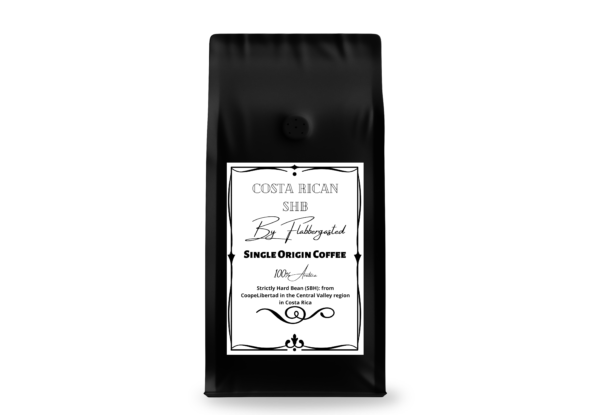
These examples reveal that cheap coffee beans delivered is less concerning a low sticker and more regarding aligning cadence, bag size, and shipping thresholds with your real consumption.
Ethics, qualifications, and whether they alter the price
Fair Profession, Jungle Alliance, natural, and direct trade influence cost. Certs reflect bookkeeping and documents; direct partnerships mirror quality and long-lasting dedications. If you want ethics and financial savings with each other, search for roasters with long-standing partnerships in producing regions, not just labels. Most of these deal home blends developed from connection whole lots at midrange pricing. You get traceability and a far better mug without going after costly microlots.
Organic can add 1 to 2 bucks per bag. If raw materials to you, account for that in the discount rate and bulk approach instead of dropping the standard.
Flavor uniformity versus variety
The best coffee beans delivery for budget plan drinkers commonly indicates a constant home blend. Your grinder setups remain dealt with, and your developing routine tightens. That saves beans and nerves. If you like selection, framework it. Plan one consistent bag and one revolving bag. Maintain the consistent bag as your daily driver, and use the revolving bag for weekend breaks or guests. Variety and restraint can coexist without budget chaos.
Where economical fails and how to stay clear of it
There are three common failure factors:
- Shipping munching the worth. You pay 6 bucks per shipment on a 14 buck bag and wonder why the math never ever accumulates. Solve it by packing orders and freezing portions. Stale stock masquerading as a bargain. A bag discounted 30 percent yet roasted six weeks ago hardly ever defeats a fresher bag at complete rate. Always inspect roast day. Over-ordering during promos. You grab three bags throughout a sale, just to see flavor discolor. If you do this, split and freeze immediately.
The short version: freshness, shipping, and storage space. Toenail those, and the savings end up being real.
Luxury on a budget, mug by cup
Luxury in coffee does not call for rare whole lots or neon-tasting notes. Deluxe is the indulgence of a mug that is balanced, aromatic, and trustworthy every early morning. It is the ease of understanding beans get here when required, without cupboard panic or midweek grocery runs. Cheap coffee beans delivery can deliver that feeling if you respect the variables that form price and taste.
Pay focus to cadence. Pick bag dimensions that match your rhythm. Keep a scale on the counter. Grind fresh. Look for roast dates and incentive roasters that care about them. Use the fridge freezer strategically, not as a last resort. And bear in mind that the best coffee beans delivered are the ones you consume alcohol with satisfaction, not regret. When the numbers straighten with your taste and your regimen, the day-to-day mug seems like a quiet deluxe that you got well.
A small choice guide you can keep
- Calculate your genuine intake in grams per week to establish cadence. Target 2-pound or 5-pound registrations to strike cost-free shipping and reduced per-pound price. Verify roast date and roast-to-ship timing. Favor roast-to-order. Use a scale and dial in prior to you enhance dose. Portion and adhere preserve quality if you buy big.
Do these 5 things, and cheap coffee beans delivered develop into continually exceptional, affordable mugs. It is the small, sensible system that makes each morning taste like a treat.
Final thoughts from the grinder bench
I have gone through harvest seasons where an Ethiopian all-natural sang blueberry jam at 18 dollars a bag, and via years when the same account jumped to 23 and offered out quickly. Prices rise and fall, yet the framework above holds stable. If you chase cost-free delivery thresholds, choose bag sizes that match your rate, and safeguard quality with great storage, you can keep price under 50 to 70 cents per mug while drinking coffee that really feels anything but affordable. In that light, the very best coffee beans delivery is not just a courier service. It is a silent routine that begins prior to dawn, when you open up a container, weigh a dose, and scent a pledge kept.